
Why Branding Photography Works Better When Your Designer Attends the Shoot
Real-time collaboration between photographer and designer creates better business results
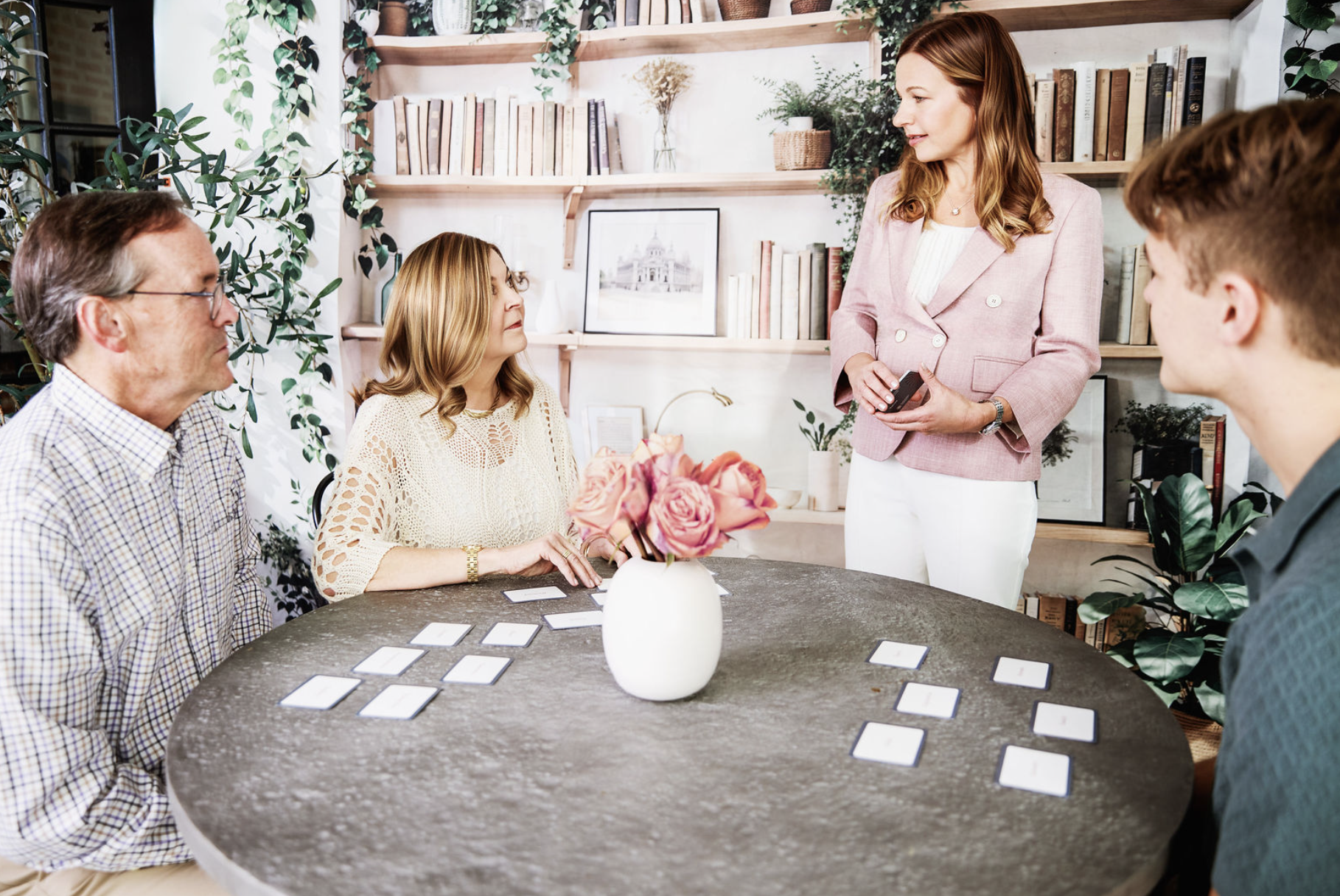
Most branding photography happens in isolation.
Business owner books photographer. Photographer shoots. Images get delivered. Designer receives them later and works with whatever arrived. Everyone hopes it fits together.
This sequential approach creates predictable problems. Images don't quite work for the website design. Scenarios don't serve business purposes. Resources get wasted fixing preventable misalignment.
After 14+ years photographing branding sessions in Chicago and Naperville, I've learned this: collaborative branding photography creates measurably better results.
The Traditional Branding Photography Problem
Here's how most branding photography projects unfold.
Business owner decides they need professional photos. They book photographer separately from hiring web designer. Two professionals work independently toward the same goal without communicating.
Photographer shoots based on their understanding of good branding photography. Designer creates website layout based on their vision. Images arrive. Designer tries making them work for the design they've already created.
Sometimes it works fine. Often it doesn't work perfectly.
Common misalignment issues:
Image orientation doesn't match website layout needs (vertical photos when horizontal required)
Scenarios photographed don't serve website messaging strategy
Color palette in photos conflicts with brand colors
Composition doesn't work for text overlay placement
Missing key images for important website sections
These problems aren't anyone's fault. They're inevitable when professionals work separately without real-time communication.

What Collaborative Branding Photography Looks Like
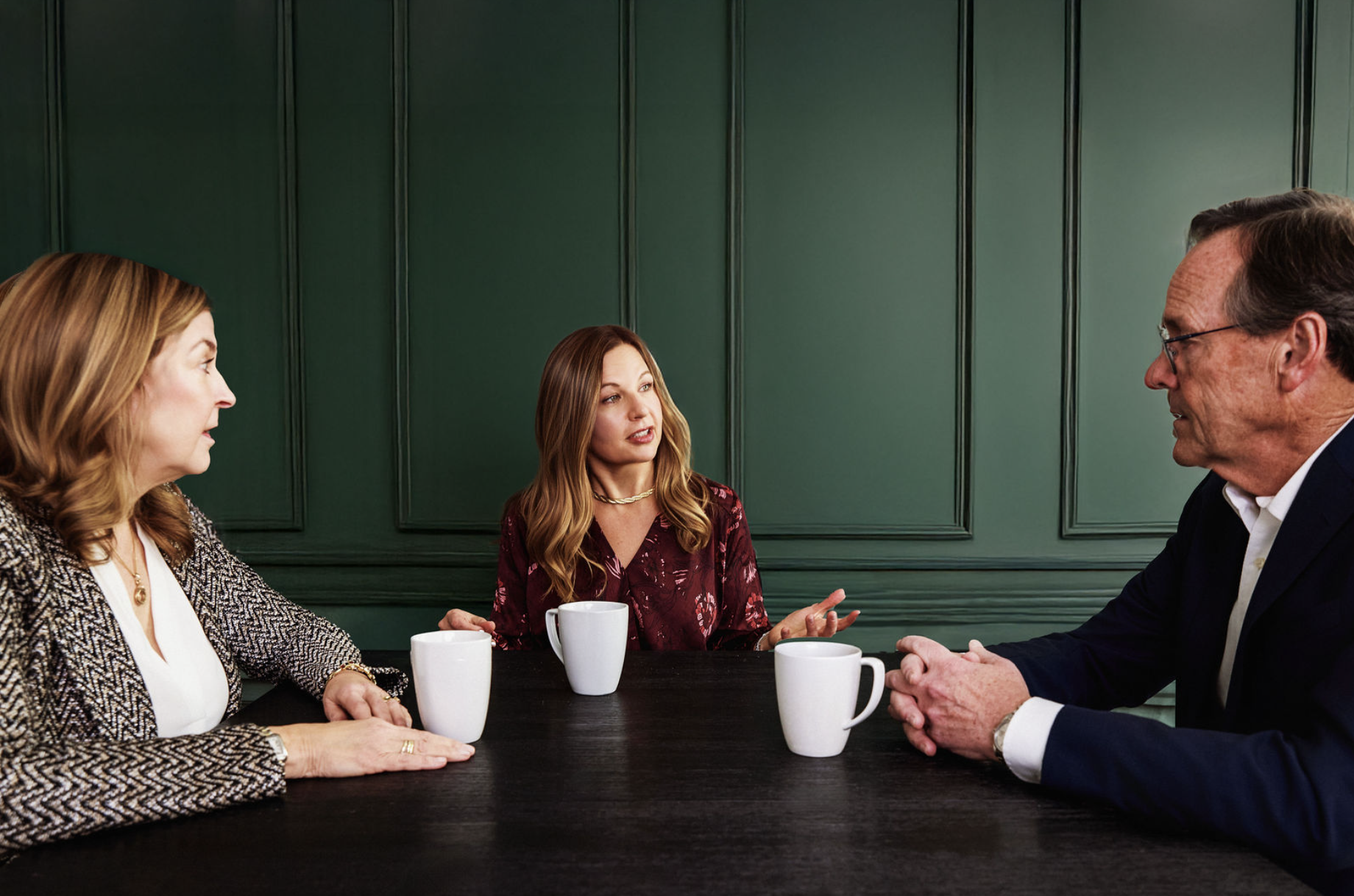
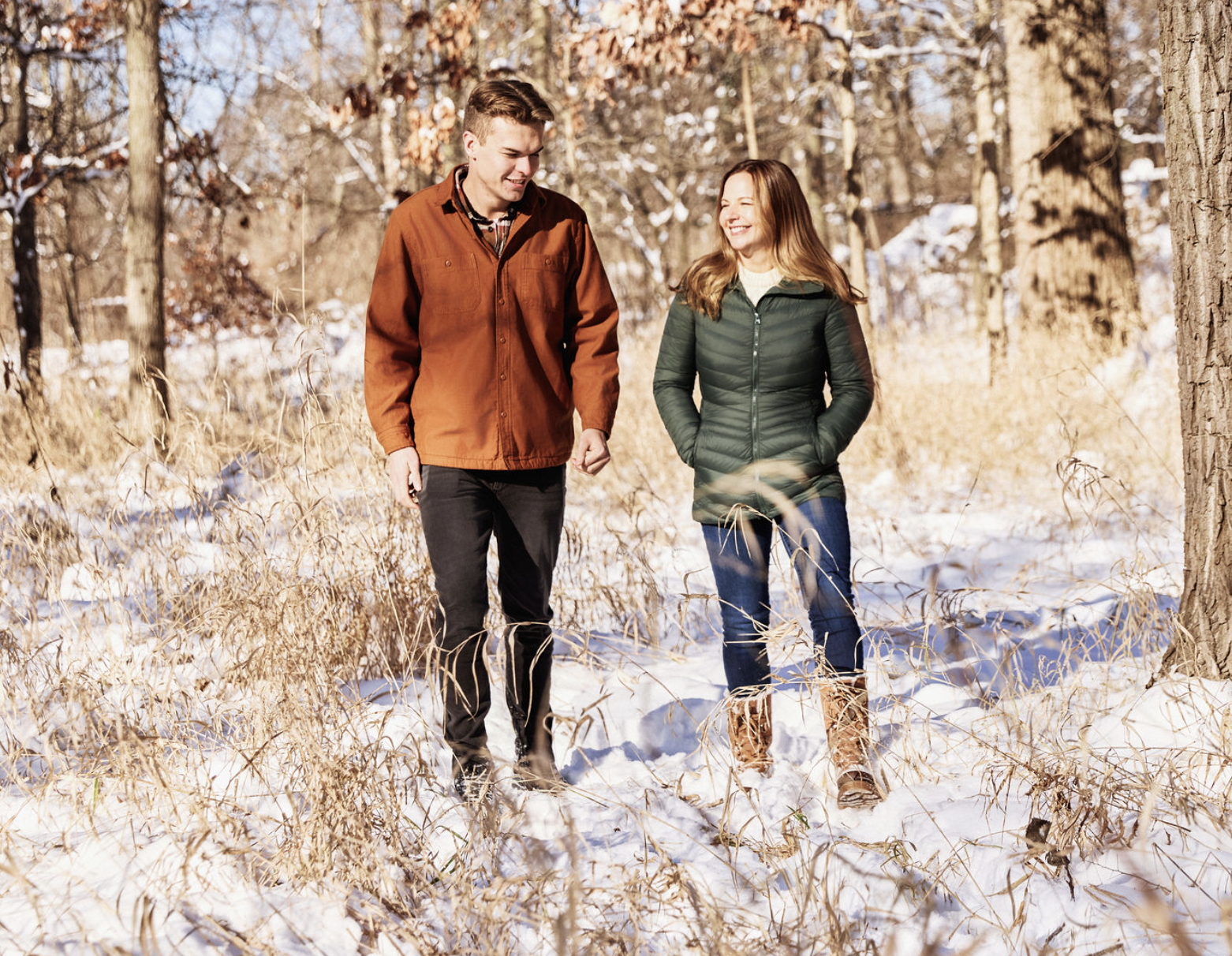
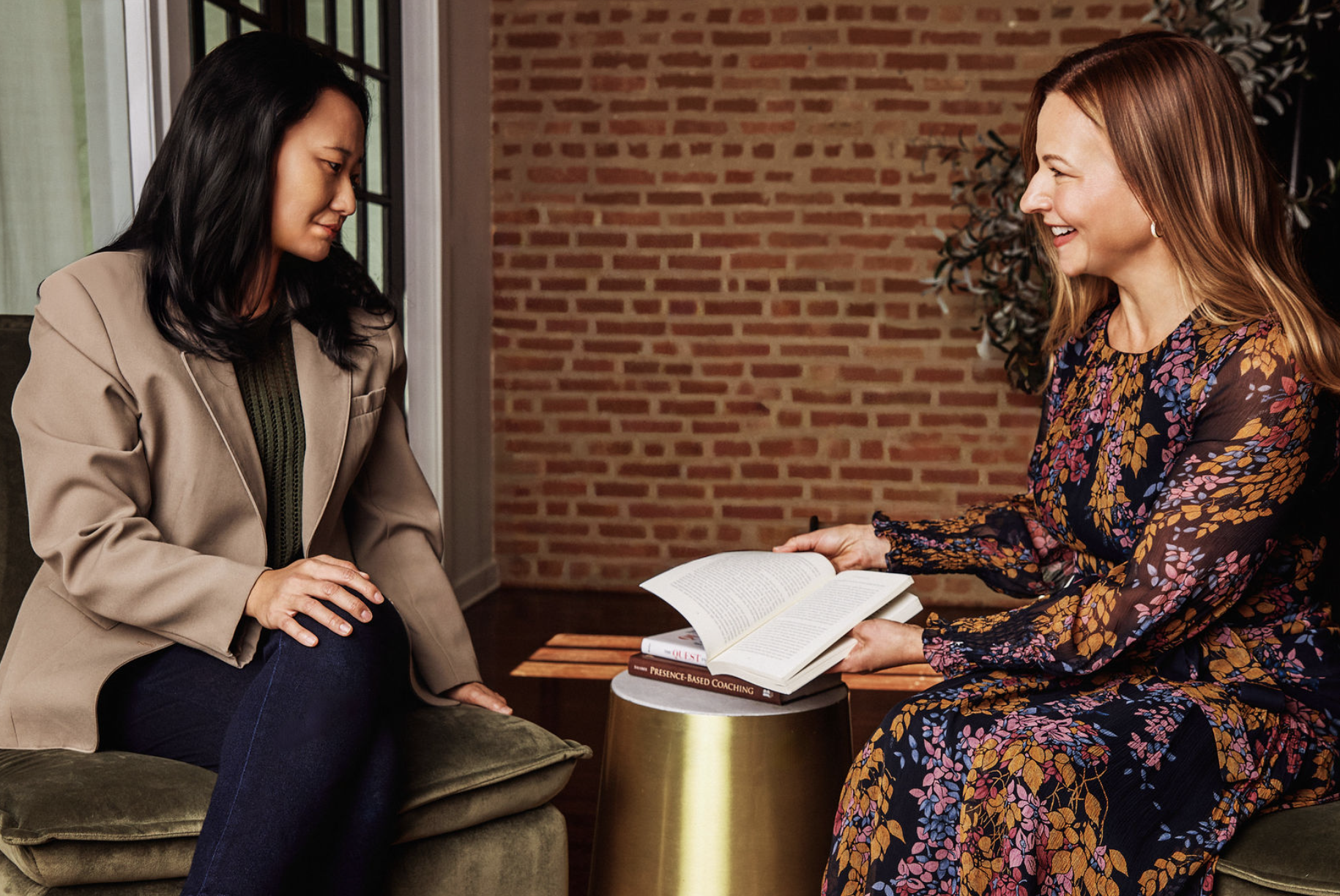
Jenny's law firm branding session demonstrated a different approach.
She needed branding photography for her new website. Kam from Bluetiful Design, who's designing Jenny's website, attended the photography session.
Not just to observe. To collaborate in real time.
What this collaboration provided:
Kam could see images as they happened and confirm they'd work for her design vision. I could adjust composition, scenarios, and technical elements based on her website layout needs. Jenny could make decisions knowing both professionals were aligned.
We photographed multiple scenarios showing Jenny's work: client meetings, working sessions, the real situations potential clients need to see.
Every scenario served specific website sections Kam had planned. Every composition worked for her design layout. Every technical element (orientation, color, spacing) matched website requirements.
Jenny walked out knowing her branding photography would fit perfectly with her website design. No hoping. No guessing. Just certainty.
Why Real-Time Collaboration Matters for Business Results
Collaborative branding photography solves problems before they become expensive.
Prevents wasted photography: When designer attends shoot, you don't pay for images that won't work for website design. Every shot serves intended purpose.
Eliminates design compromises: Designer doesn't work around images that don't quite fit. Images are created specifically for the design from the start.
Saves revision time: No back-and-forth trying to fix misalignment after the fact. Alignment happens during photography, not weeks later.
Maximizes investment value: Both photography and design investments deliver full value because they're created to work together from day one.
For professional service businesses where branding photography represents significant investment (law firms, consultants, agencies, medical practices), this collaborative approach makes financial sense.
Common Questions About Collaborative Branding Photography
"Doesn't having the designer at the shoot cost extra?"
Designer time costs the same whether they're attending your shoot or fixing misalignment problems later. Attending the shoot is more efficient use of that time.
Many designers appreciate this approach because it prevents problems they'd otherwise spend hours solving.
"What if my designer is remote or out of state?"
Virtual collaboration works. Designer can join via video call, see images in real time on laptop, provide input during shoot. Not quite as seamless as in-person but still far better than working completely separately.
"Do I need to hire photographer and designer at the same time?"
Ideally yes. But if you've already hired one, bring them into conversation with the other before photography happens. Even a single planning call between photographer and designer prevents most misalignment issues.
"What should the designer bring to the shoot?"
Website wireframes or mockups showing where images will be used. Brand guidelines including color palette. Any specific composition or technical requirements for the design they're creating.
"How long does collaborative branding photography take?"
Same time as regular branding sessions. The collaboration happens during photography, not in addition to it. Typically 2-4 hours depending on number of scenarios needed.
When Collaborative Approach Matters Most
Not every photography project requires designer attendance. Headshots don't need this. Simple portrait sessions don't need this.
Collaborative branding photography makes sense when:
Professional service businesses need photos for new website or rebrand. Multiple scenarios required showing different aspects of business. Images will be integrated into specific design layout. Photography represents significant investment. Business wants maximum ROI on branding spend.
For these situations, real-time collaboration between photographer and designer creates measurably better results.
What Makes Effective Collaboration
Not just having designer present. Effective collaboration requires both professionals understanding their roles.
Photographer's responsibility: Technical excellence, lighting, composition, directing subjects, capturing scenarios that serve business purpose.
Designer's responsibility: Ensuring images will work for website layout, confirming scenarios serve messaging strategy, verifying technical requirements are met.
Shared responsibility: Both solving for business goals, not just creating pretty images or impressive design.
When both professionals understand they're serving business strategy together, collaboration works.
The Broader Principle Beyond Photography
This collaborative approach applies beyond branding photography.
Any business project requiring multiple specialists works better with real-time collaboration than sequential handoffs.
Video production with copywriter present ensures messaging aligns. Website development with SEO specialist involved prevents technical SEO problems. Brand strategy with operations leader attending ensures implementability.
Sequential work creates gaps. Collaboration prevents them.
Why Most Businesses Don't Do This
If collaborative approach creates better results, why isn't it standard?
Coordination seems harder: Scheduling multiple professionals at once feels more complicated than sequential work. It's actually simpler in the long run but requires more upfront coordination.
Cost perception: Having designer at shoot feels like additional expense. It's not. You're paying for designer time either way. Better to invest that time preventing problems than fixing them.
Traditional practices: "This is how we've always done it" thinking. Most businesses don't question the sequential approach because it's standard practice.
Lack of awareness: Many business owners don't realize collaboration is an option. They assume photographer and designer work separately because that's what they've seen.
These are organizational barriers, not value barriers. The business case for collaboration is clear.
What Business Owners Should Know
If you're investing in professional branding photography for your business, consider collaborative approach.
Talk to your photographer about involving your designer. Most photographers welcome this because it creates better results and happier clients.
Talk to your designer about attending the shoot. Most designers appreciate this because it prevents problems they'd otherwise spend hours solving.
Plan collaboration before booking. Easier to build collaboration into project from the start than retrofit it later.
The goal is branding photography that serves your business effectively. Collaborative approach makes that goal more achievable.
Professional Branding Photography in Chicago and Naperville
I photograph branding sessions at Studio 25 Naperville and on location throughout Chicago with strong preference for collaborative approach.
When web designers, brand strategists, or marketing professionals attend sessions, results consistently improve. Images serve business purposes more effectively. Investment delivers better returns. Clients feel confident about outcomes.
For professional service businesses ready to invest in branding photography that actually serves business goals, collaborative approach makes strategic sense.
Contact Emily Cummings Photography for collaborative branding sessions in Naperville and Chicago.
Emily Cummings Photography | Professional Branding Photography | Studio 25 Naperville | Serving Chicago & Naperville